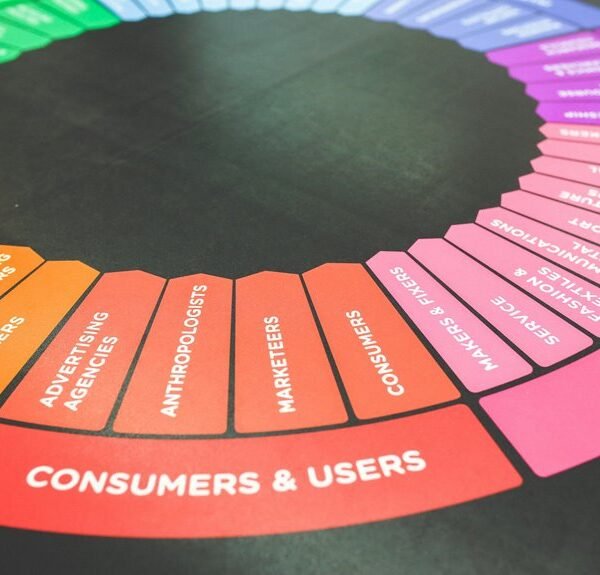
A Smart Digital Strategy is increasingly vital for businesses aiming to thrive in a competitive landscape. It encompasses innovative technologies and practices that enhance efficiency and engagement. Key components include data analytics and customer-centric approaches. By harnessing these elements, companies can drive growth and create lasting loyalty. However, the question remains: how can businesses effectively implement these strategies to ensure sustained success in an evolving digital world?
What Is Smart Digital Strategy and Why Does It Matter?
A smart digital strategy serves as the backbone of modern business success, integrating technology and innovative practices to enhance operational efficiency and customer engagement.
By leveraging digital innovation, organizations can streamline processes and create personalized experiences, fostering loyalty.
This strategic approach not only drives revenue but also cultivates a competitive advantage, empowering businesses to adapt swiftly in a rapidly changing marketplace.
Key Components of a Smart Digital Strategy
Essential elements of a smart digital strategy include a clear vision, robust technology infrastructure, data analytics capabilities, and a customer-centric approach.
Effective content creation is essential for engaging target audiences, while precise audience targeting ensures that messaging resonates.
Leveraging Data for Business Growth
While many businesses possess vast amounts of data, the key to unlocking significant growth lies in the strategic utilization of that information.
By harnessing data analytics and business intelligence, organizations can uncover actionable insights, identify market trends, and enhance decision-making processes.
This proactive approach not only fosters innovation but also empowers businesses to adapt swiftly, ultimately driving sustainable growth and achieving a competitive edge.
Strategies to Boost Customer Engagement on Digital Platforms
To effectively enhance customer engagement on digital platforms, businesses must implement targeted strategies that resonate with their audience.
Utilizing social media channels to solicit customer feedback fosters a sense of community and loyalty. Regularly analyzing engagement metrics allows companies to refine their approach.
Conclusion
In an era where digital landscapes evolve at lightning speed, the stakes for businesses are higher than ever. A well-crafted smart digital strategy not only promises enhanced operational efficiency but also holds the potential to unlock unforeseen opportunities for growth. As organizations embrace innovative technologies and data-driven insights, they stand at a crossroads—will they adapt and thrive, or be overshadowed by more agile competitors? The answer lies in their commitment to a customer-centric approach and strategic foresight.